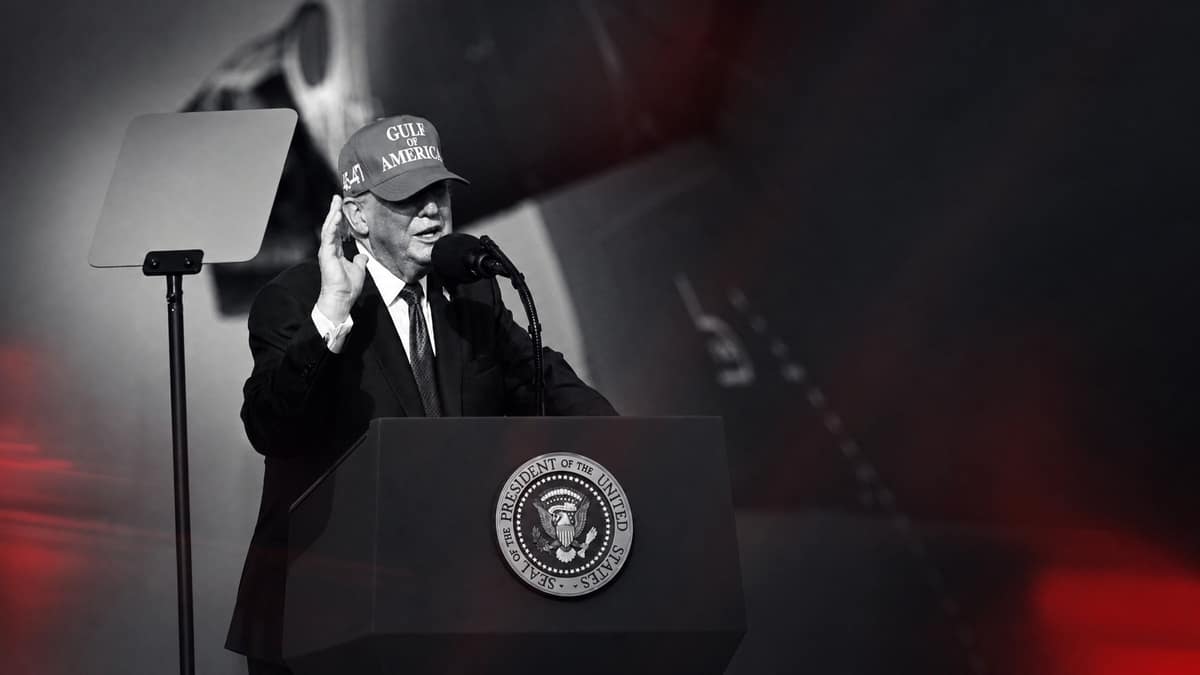
In a new interview with Time magazine, U.S. President Donald Trump said he will not consider nationalizing top frontier AI labs.
"No, no... I have a guardrail. You know what the guardrail is? The Department of Justice. If they do bad things, I have a DOJ, I have an FBI. That's your guardrail over here, and I've used it twice, and it was very effective," Trump said.
Asked about the U.S. government's investments in Intel and Nvidia, Trump said the government did not purchase its stake in Intel. Instead, he said he used the federal government's leverage to negotiate a 10% ownership stake for the U.S. government in exchange for helping Intel resolve an unspecified problem.
Trump described the Intel stake as being obtained effectively "for nothing," pointing to the large rise in Intel's stock price that followed. Shares are up about 80% since the deal was made.
The president said he could pursue similar arrangements with OpenAI and Anthropic, describing the Intel deal as part of a broader approach in which the government receives an economic stake in exchange for providing assistance or granting approvals.
Trump also cited his decision to condition Nvidia's ability to sell certain chips to China on the U.S. receiving a share of the sales. The president also noted he sought a 50% stake for a land deal in Alaska because the government would be responsible for infrastructure and environmental approvals.
"I do. With a lot of things," Trump said. "I do that all the time. I don't do it for myself. I do it for the country."
The comments come as the Trump administration continues to engage with the AI industry. The White House hosted Chinese President Xi Jinping last week, while Trump met with OpenAI CEO Sam Altman and Anthropic CEO Dario Amodei on Tuesday and said existing laws are sufficient to protect Americans from AI risks.
Trump has also signed an executive order to rebrand artificial intelligence as "super intelligence."
Meanwhile, the Federal Trade Commission is investigating OpenAI, Anthropic, and other AI labs over possible consumer harm, according to reports this week.