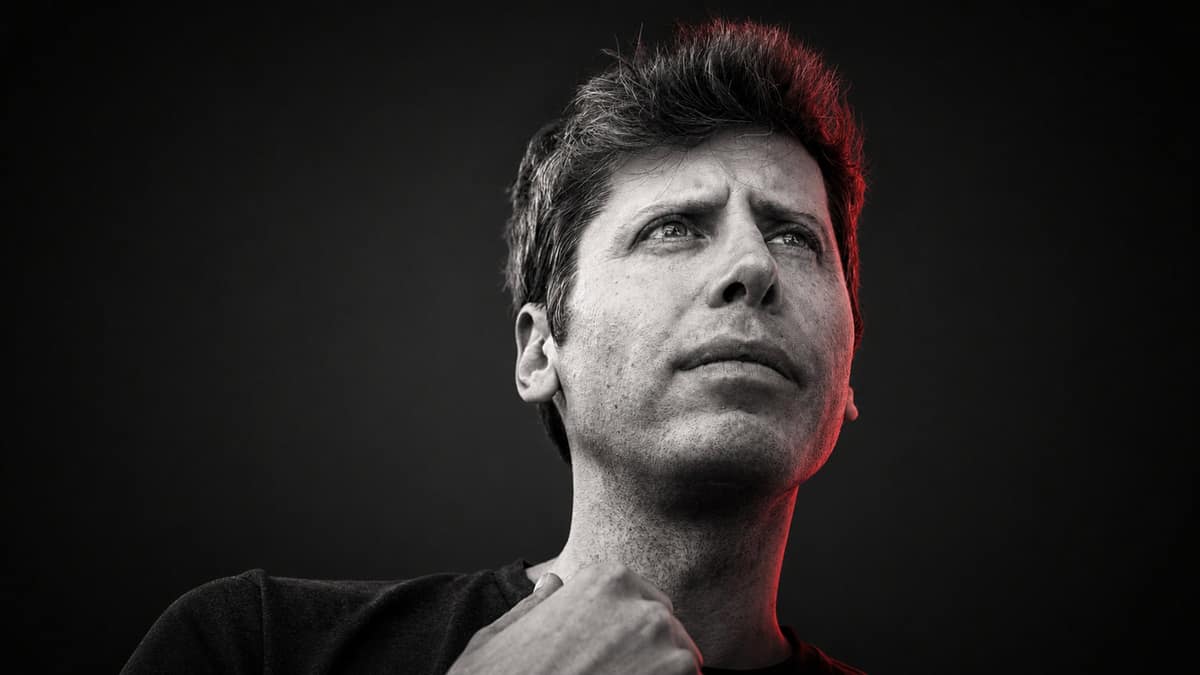
OpenAI CEO Sam Altman told the UN Security Council on Wednesday that his company has slowed its AI work before and would do so again if it can't keep its systems under the control of the humans running them.
"We have unilaterally slowed down in the past. We will do so in the future." Altman said. "Beating companies in a competitive race is not a reason to make rash decisions."
However, he never elaborated on exactly when or how these slowdowns occurred.
Altman said his concerns have only grown larger as AI takes on a bigger part in building future versions of itself. If progress speeds up too much, the people in charge of them could struggle to understand what they're doing or how to step in if something goes wrong.
"We could lose control of the future to AI," he warned.
Altman noted another risk is that the most advanced AI systems could give a small number of companies or countries too much influence. To counter this, he called for shared standards that can be used to test advanced systems, check whether guardrails work, and report serious incidents.
Also addressing the council, Anthropic CEO Dario Amodei made a similar pledge.
"We will slow down as much as necessary in order to make sure that every successive AI technology that we release is actually safe," he said.
Amodei also urged countries to come to an agreement on universal standards for safety tests and ways to alert each other to AI incidents, especially ones that involve breaches of national security.
"No leader, no company and no nation can manage this alone," he said.