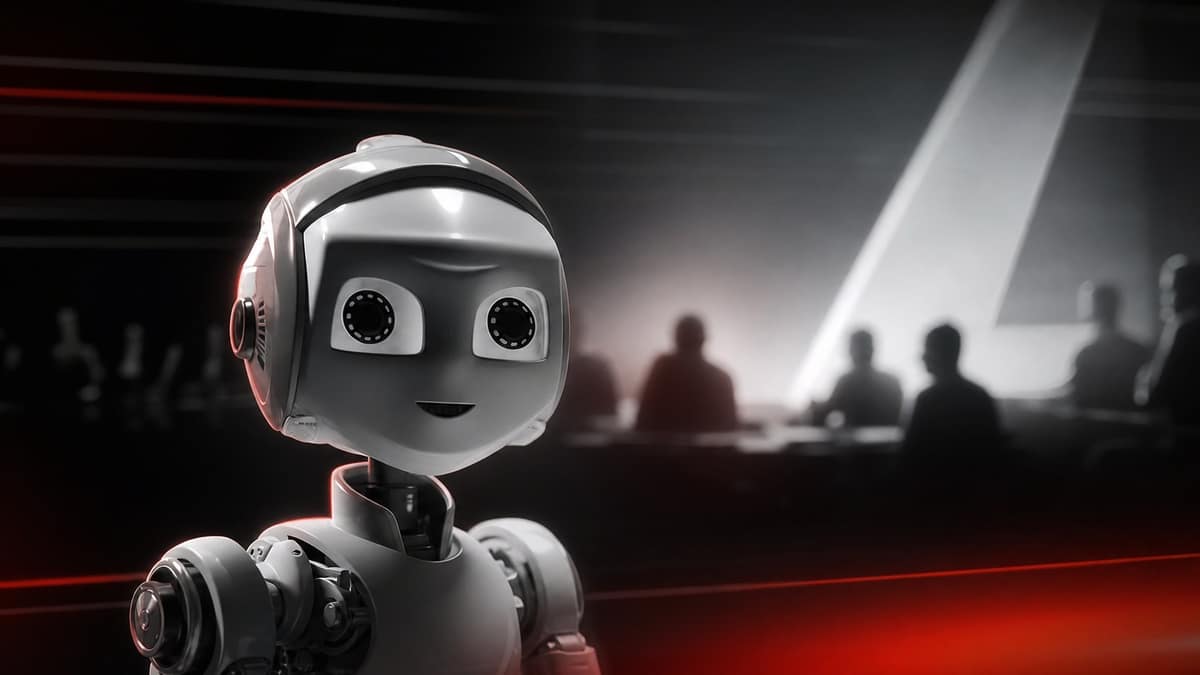
Samsung Electronics is reportedly planning to unveil its first humanoid robot at CES 2027 in Las Vegas next January.
The firm is accelerating development under its robotics division as advances in artificial intelligence are expected to bring forward the commercialization of humanoids, the Seoul Economic Daily reported on Monday, citing industry sources. The move follows Hyundai Motor Group's presentation of Boston Dynamics' Atlas humanoid robot at CES earlier this year.
Yoon Jang-hyun, a software and platform specialist who serves as chief technology officer and president of the firm's device experience division, is heading both the hardware and AI software development teams within its robotics unit, according to the report.
That single-executive oversight is driven by Samsung's desire to speed up development by unifying leadership of the AI software that serves as the robot's brain and the hardware that forms its body from the earliest stage of development, the sources said, whereas developing the brain and the body separately before later combining them cannot keep pace with rapidly advancing AI technology.
Samsung is developing the humanoid separately from its Rainbow Robotics subsidiary, which is focusing on increasing the maximum payload and working radius of its RB-Y2 dual-arm industrial robot. An improved model could be released as early as November at Robot World 2026, the Seoul Economic Daily said.
That two-track approach will see Rainbow Robotics continue to focus on advanced industrial use cases while Samsung Electronics works on general-purpose robots.
Samsung told the outlet it could not confirm that a humanoid prototype would be unveiled at CES 2027.
Samsung books $61.7 billion chip profit
In July, Samsung's semiconductor division reported operating profit of 89.2 trillion won ($61.7 billion) for the three months to June, more than 250 times what it earned in the same quarter a year ago.
Samsung has benefited from surging demand for high-bandwidth memory used alongside AI processors, with the company signing multi-year memory supply agreements with the world's five largest data center operators. Nevertheless, executives said the global memory chip shortage is expected to worsen in 2027 and persist into 2028.