Huawei Technologies plans to launch two new AI chips in 2027, as the Chinese tech giant continues to challenge U.S. chipmaker Nvidia's dominance in AI.
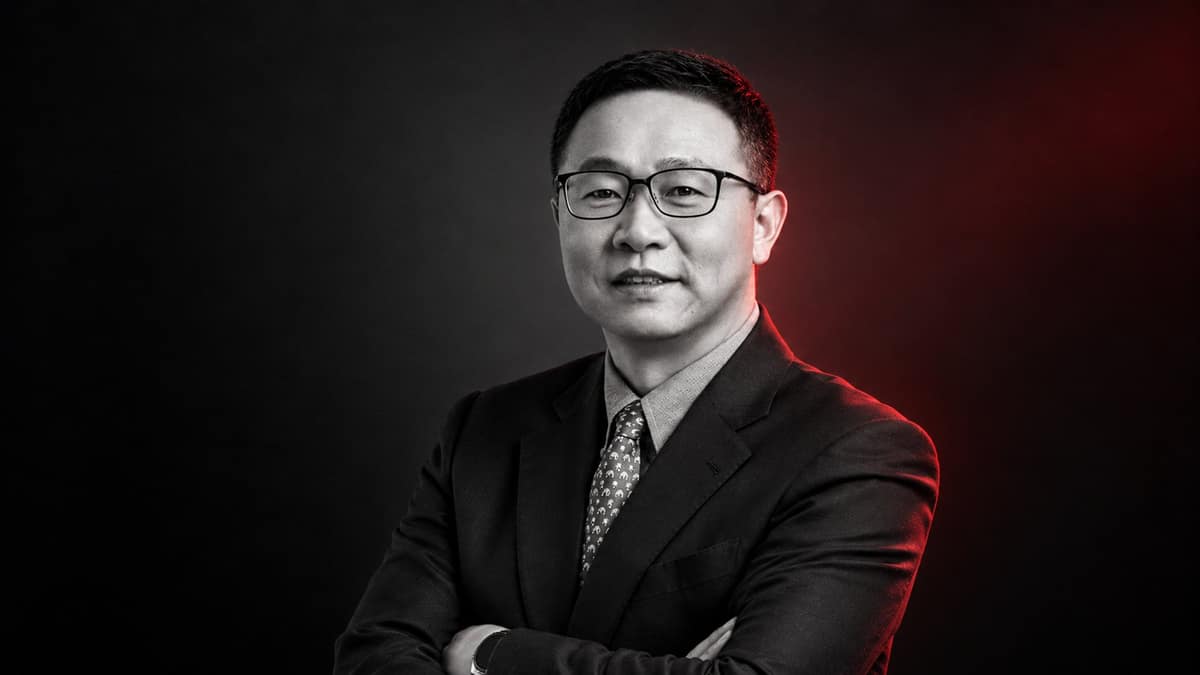
During the Huawei Connect conference in Shanghai on Thursday, David Wang, rotating and acting chairman of Huawei, said that the Ascend 960DT chip is expected to be ready in the first quarter of 2027, "three quarters ahead of schedule," according to a company statement.
Huawei will also launch the 960PR chip in the third quarter of 2027, a quarter earlier than expected, said Wang. The company plans to follow with its Ascend 970 series in 2028 and another generation in 2029 as part of an annual iteration cycle, per the statement.
Wang said Huawei has deployed more than 1,000 sets of Ascend 910C-based SuperPods - systems that link many AI chips over the company's UnifiedBus interconnect so they act as a larger computer. The Atlas 950 SuperPod is also in commercial use, the company said.
"Supernodes (SuperPod) have become essential for building hyperscale AI infrastructure," said Wang.
China's AI push
The Chinese telecom-to-smartphone maker has accelerated the development of AI chips, seizing an opportunity as China pushes to build domestic alternatives to advanced U.S. technology.
The U.S. has restricted China's access to some high-end AI chips and chipmaking equipment through export controls. Chinese authorities and companies have since stepped up efforts to develop homegrown technologies.
Huawei has emerged as a key Chinese AI chip supplier. DeepSeek, a major Chinese AI firm, has optimized its models for Huawei Ascend, according to Reuters.
Notably, at last year's Huawei Connect conference, then-rotating chairman Eric Xu unveiled a three-year roadmap that many described as a campaign to overtake Nvidia by accelerating the development of chips and SuperPod clusters.
Huawei's latest announcement comes ahead of a scheduled meeting next week between U.S. President Donald Trump and Chinese President Xi Jinping, with AI expected to be a key topic. At their previous meeting in May, the two leaders discussed AI guardrails but produced limited results.