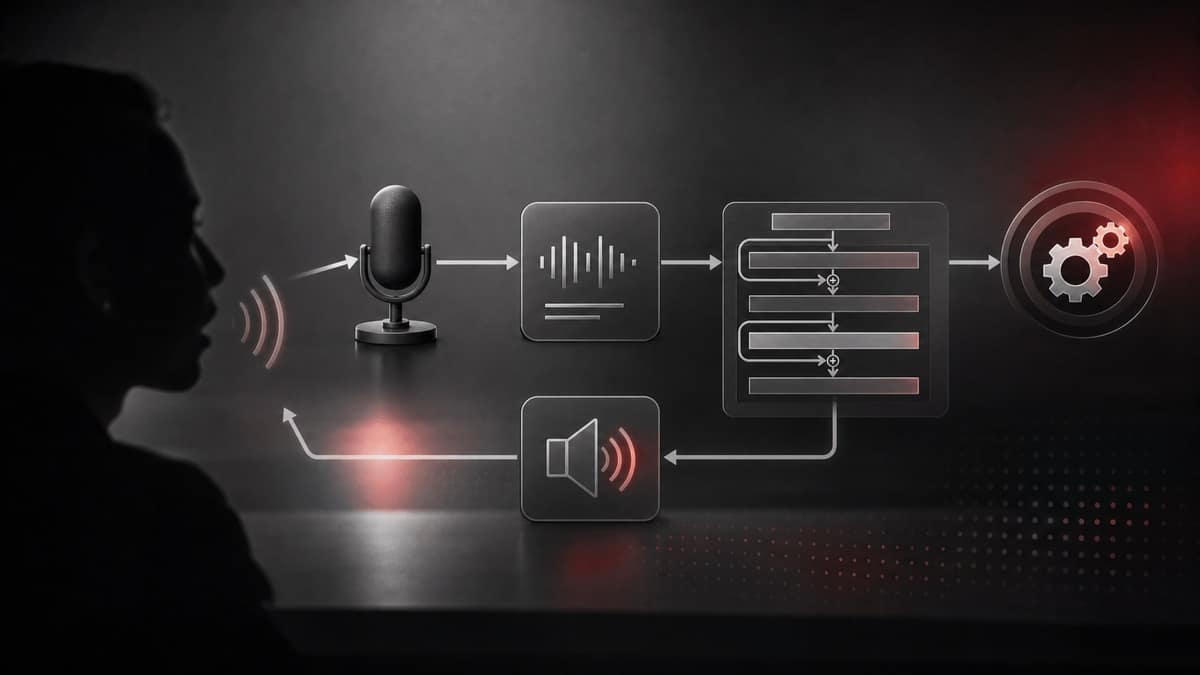
Tether AI Research launched QVAC TranscribePsy, a 254-million-parameter multilingual automatic speech recognition model designed to operate entirely on-device.
"The model marks a major step in Tether's broader effort to bring advanced AI capabilities directly to smartphones, smart glasses and humanoid robots while keeping users' data private," Tether said in a statement.
The model enables developers to create speech recognition apps that work offline without sending users' audio to cloud servers. It can process audio from various devices such as iPhones and smart glasses in near real-time, or run directly on a humanoid robot's onboard processor.
Tether, better known as the issuer of the USDT stablecoin, said its privacy focus addresses growing concerns over devices that can listen to confidential work or family discussions, and the voices of people nearby who did not agree to use the technology. Specifically, Tether noted that local transcription through smart glasses can be utilized in medical consultations, legal interviews, therapy sessions, and confidential journalism containing sensitive information.
QVAC TranscribePsy was the fastest model across six tested smartphones, where it ran 2.6 times faster than the second-fastest model. Its Core ML allows it to transcribe 10 minutes of audio in 1.65 seconds on an iPhone 17 Pro Max, while using less disk space and memory compared to a competitor.
"The future of AI shouldn't mean giving centralized platforms a front-row seat to our personal lives," said Paolo Ardoino, CEO of Tether. "AI is going to become part of our phones, glasses and machines, but that doesn't mean our data needs to leave them. We want to see powerful AI running directly on the devices people already own, with users in control of their data and their privacy intact."