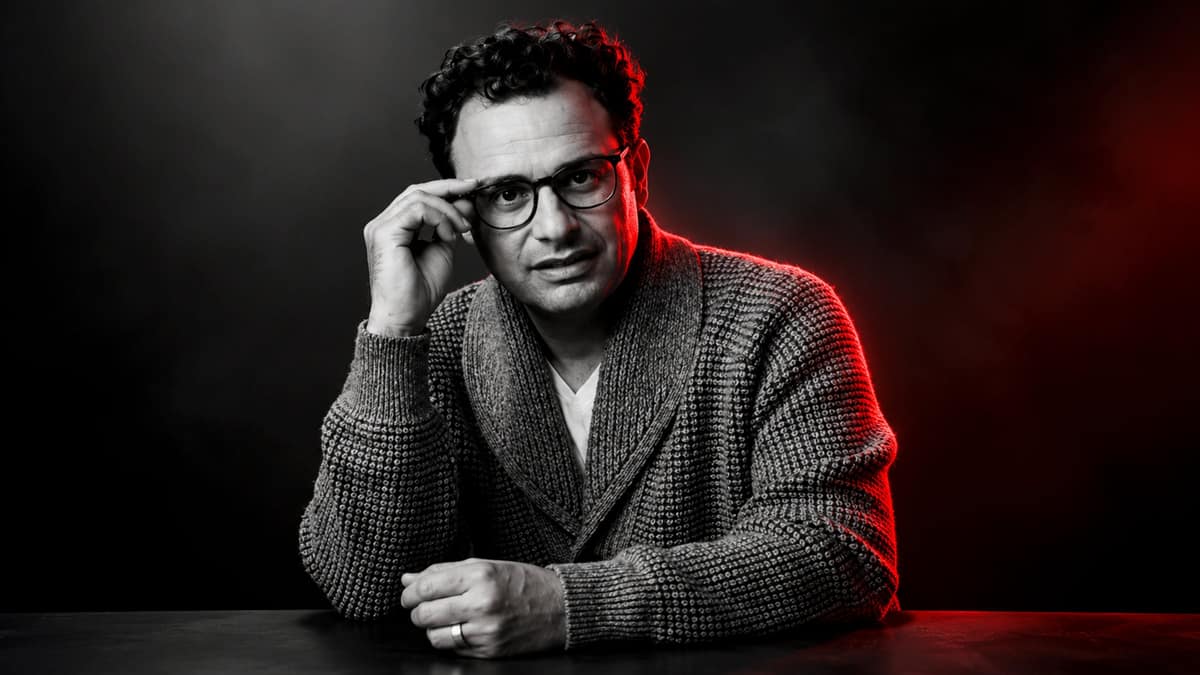
Anthropic CEO Dario Amodei published a social media post in response to criticism of the company's AI safety practices, arguing that its strategy to compete at the technological frontier was deliberately designed to prioritize safety.
The post came in reply to Encode AI Chief Strategy Officer Nathan Calvin, who questioned whether Anthropic’s actions over the past year were consistent with its AI safety commitment.
In a Tuesday X post, Calvin listed several company decisions - including large compute deals, using a significant amount of compute on internal R&D to accelerate development, and sharing a draft bill with Congress that would preempt core parts of state AI safety law - as evidence that the company was primarily focused on winning the frontier AI race rather than safety.
Amodei did acknowledge some of Calvin's points, specifically in Anthropic's mistakes in communication. However, the Anthropic CEO rejected the overall characterization of the company’s track record.
"Our strategy has always been what I’ve called the 'race to the top' - by showing how it’s possible to build the technology responsibly, we can raise the bar for the entire industry," Amodei wrote. "Looking at that strategy as a whole, I’m proud of our track record and stand by it."
Commercially costly safety benefits
In his X post, Amodei listed nine actions that Anthropic took in the past year that were "commercially costly," but still carried out for safety benefits.
These include Anthropic supporting California’s SB 53 - which mandated large AI labs to publish and maintain safety frameworks - when it was "politically perilous" to do so, and keeping very strong biological safeguards on its models despite potentially positive impacts on the biomedical field. This decision was made to block potential attempts to use AI to create bioweapons.
The company also delayed general availability of Mythos-class models to establish stronger cyber safeguards. Other items on the list include public advocacy for government authority to block model releases, continued support for export controls on chips and chipmaking equipment to China.
This exchange between the two AI figures took place as discussion around AI safety and misalignment continues to intensify, with rising concerns that advanced AI could one day exceed human control.
"To be fair, there are important questions worth confronting (and that we are confronting) about what to do when the AI-driven acceleration gets fast enough that it is hard for safety to keep up," Amodei added. "We are nearing that point, and that’s what’s driving some of our thinking about 'pacing.'"