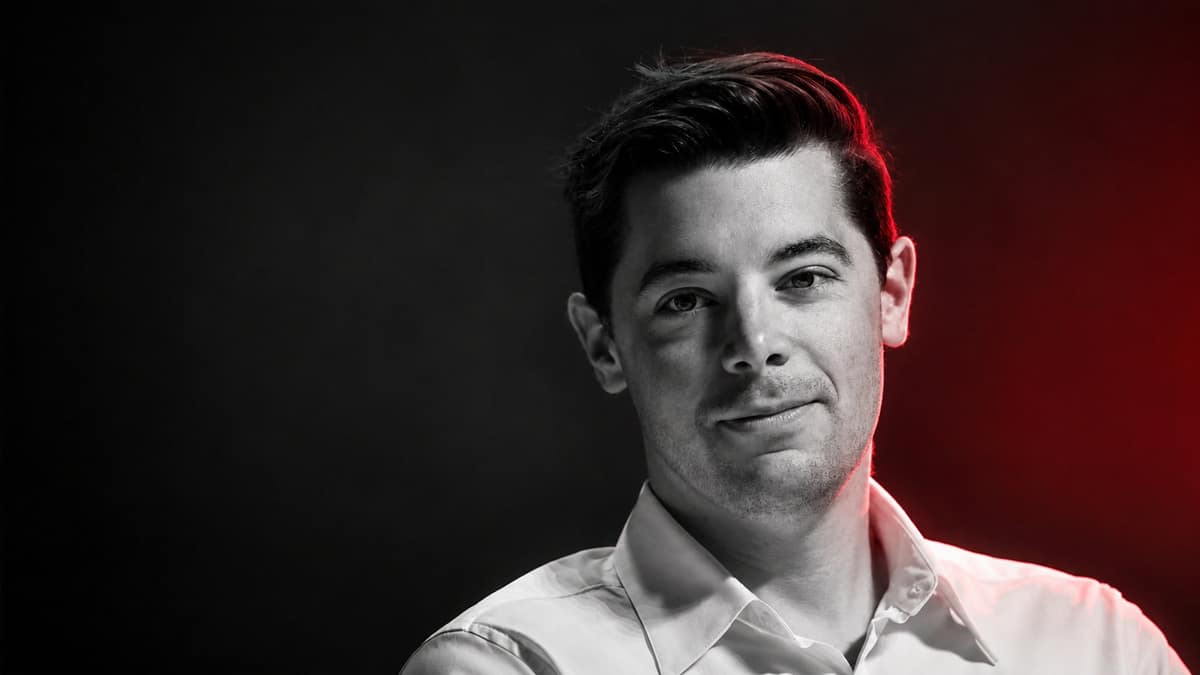
Brad Lightcap, former chief operating officer of OpenAI, announced his departure from the firm on Tuesday, the latest episode in a significant reshuffle of the firm’s upper management. Lightcap, who served at the company for eight years, stepped down from the COO role in April and took on the title of special-projects lead.
In a post on X, he said he is now leaving the firm entirely. “I’ll be moving on from OpenAI to start something new,” Lightcap wrote.
This announcement came just hours after the Financial Times reported that OpenAI’s head of ethics, Chloé Bakalar, had left in July without an official announcement. Bakalar spent less than a year at the firm. Previously chief ethicist at Meta, Bakalar went on to become OpenAI’s sole dedicated ethicist, meaning a clear successor is not in place for the role.
These two departures are just the latest in a string of high-profile leadership changes over the summer.
Does OpenAI’s leadership flight reflect internal problems?
At the beginning of July, WIRED reported the departure of OpenAI’s chief futurist and former head of mission alignment Joshua Achiam, who served with the firm for nine years. Just three days later on July 10, Johannes Heidecke, head of safety systems, announced his departure as part of a shake-up of the company’s research team.
Around the same time, the Wall Street Journal reported that the company’s second-in-command Fidji Simo was stepping down from the role after an extended medical leave. Simo has continued in a part-time advisory role.
Whether this flurry of departures - covering a COO, ethicist, futurist and safety researcher - reflects internal problems at the firm is a matter of speculation. OpenAI has initiated a review of its security practices after the Hugging Face breach on July 11, while CEO Sam Altman has been vocal about the need for AI labs to proceed with caution, balancing development with security.
“We may have to pace the rate of AI development to give ourselves enough time for society to harden around some of these new capability levels,” Altman said in July.
Whether July’s incidents or the company’s overall direction precipitated any of these exits is not known. What is clear, however, is that they bring some added governance uncertainty at a time when the firm is attempting to define its course, bolster its security reputation and move towards a public listing, all at the same time.
OpenAI seeking public listing, currently valued at $852 billion
It is now common knowledge among AI investors that OpenAI is heading for a public listing in the near future, following a confidential IPO filing with the SEC in June. Preliminary reports suggest the firm is targeting a public valuation of $1 trillion, which would immediately make it one of the 20 largest public companies in the world at listing. CFO Sarah Friar told CNBC in April that OpenAI plans to reserve a portion of its IPO shares for individual investors.
This push for a public listing comes at an opportune time for the firm; ChatGPT ranked first on user count among all chatbot AI platforms in July 2026, according to Similarweb. However, its flagship model GPT-5.6 Sol has faced stiff competition from Anthropic’s Claude Fable 5.
The latter model holds a score of 62 on Artificial Analysis’ Intelligence Index, beating Sol by one point. This composite metric takes into account test scores across various reasoning, knowledge, mathematics and coding evaluations.
The interesting question now is whether OpenAI can maintain its position at the forefront of the industry even after the departure of several key figures who turned it from a small AI lab into one of the world’s biggest companies.