Since its founding in 2024, hedge fund Situational Awareness has been held up as the prime example of AI infrastructure conviction. This changed drastically in July, when the company’s total assets plummeted from a peak of $45 billion to just $10 billion by the end of the month.
A mass sell-off in its public equity positions has left the fund holding mostly private positions in companies such as Anthropic, reported to be its single largest holding. Situational Awareness sold the majority of its public stock to Citadel in a bulk deal covering both its stock holdings and debt-financed positions.
In doing so, the fund was able to mitigate any further damage from its spectacular unwinding throughout July. At the beginning of the month, the company reported net returns of 439% (after fees). Shortly after, however, its debt-financed model came under strain when AI infrastructure stocks began to log significant losses.
The fund was forced to sell off assets to meet the requirements of several creditors - including Goldman Sachs and JPMorgan Chase - leading to its near-collapse. CNBC described the episode as an "early and potentially significant test" of the AI infra conviction trade that made the firm’s founder, former OpenAI researcher Leopold Aschenbrenner, one of the most watched figures in tech investing.
Overall, however, it should be noted that Situational Awareness was ultimately undone by its leverage model and the collateral rules of its lenders, rather than an invalidation of its core thesis.
What Citadel bought from Situational Awareness
The fund held both long and short positions that played on opposing ends of the AI trade. On the one hand, Situational Awareness held significant long positions in South Korean chipmaker SK Hynix, data centre operator CoreWeave and other major infrastructure leaders. The thesis is that skyrocketing demand for HBM (High Bandwidth Memory) and the facilities to utilize it would drive growth.
On the other end, it also held short positions against companies it predicted would be negatively impacted by AI. Software company Adobe was among them, on the assumption that the greater power of AI models would reduce demand for its applications.
Contrary to expectations, these software companies actually held up comparatively well in July, while infrastructure stocks fell into a deep correction. This meant that Situational Awareness was squeezed on both ends by failing trades.
Before the Citadel deal, Aschenbrenner had invited investors to add fresh capital on August 1. In a July 24 letter to investors, he claimed that the drop in prices represents a significant accumulation opportunity.
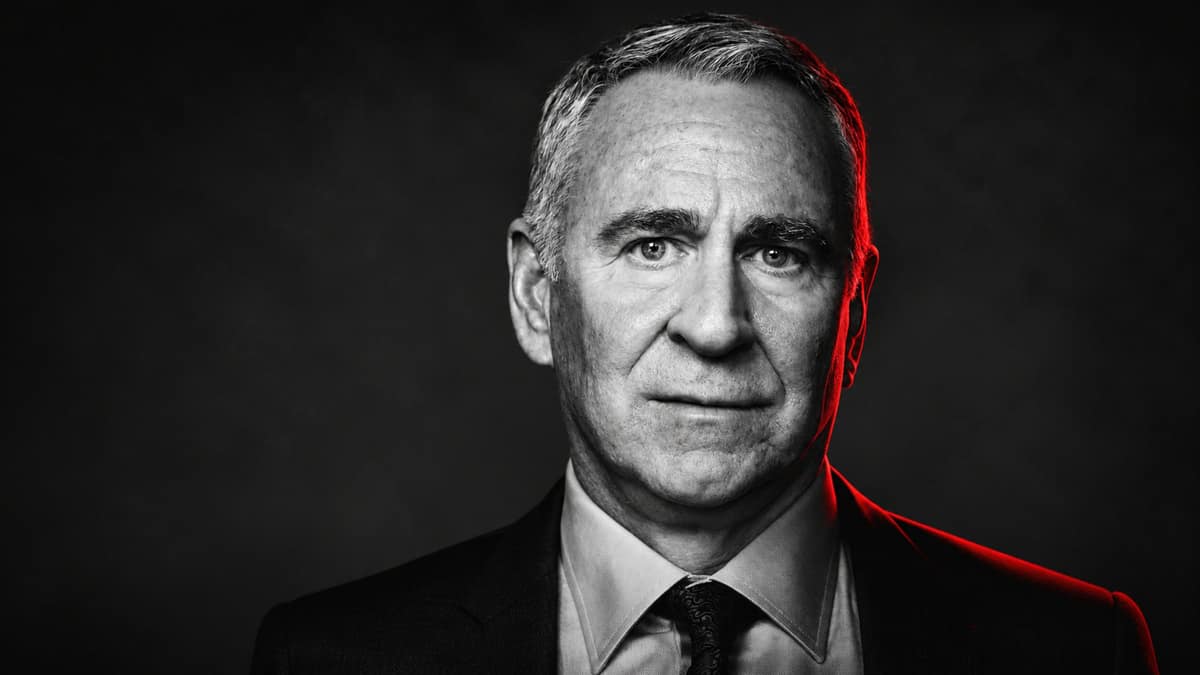
At the same time, several major players were reportedly in talks to acquire the fund’s public portfolio, including Goldman Sachs. Ultimately, it was Citadel CEO Ken Griffin who put in the successful bid, acquiring the majority of these public positions on July 30 for an undisclosed amount.
Citadel’s buyout had a bullish effect on AI equities
The looming woes of Situational Awareness cast a shadow over the stocks in its portfolio, with billions of dollars in positions potentially due for prompt liquidation. Once Citadel’s over-the-counter deal closed, however, the market responded with some relief.
SK Hynix itself rose 16% on Thursday, reaching parity with its original listing price of $149. Other stocks enjoyed even larger single-day gains, including Nebius (29%), Sandisk (24%) and CoreWeave (24%).
As for Situational Awareness itself, the fund will continue on as a private investment vehicle, according to the Financial Times. Among its remaining, mostly private holdings is a $5 billion stake in Anthropic; at approximately half of its remaining AUM, this means its fate is largely tied to that one firm’s performance.